
Is Teeth Whitening Safe for Sensitive Teeth?
If you've ever wanted a brighter smile but held back because of sensitivity, you're not alone. Sensitivity is the number one reason people avoid teeth whitening and for years, that hesitation made sense. Traditional whitening relied on peroxide, and peroxide can cause real discomfort.
But whitening has changed. Here's everything you need to know.
Why does teeth whitening cause sensitivity?
Traditional whitening products use hydrogen peroxide or carbamide peroxide to lift stains. These ingredients penetrate the enamel and reach the dentine underneath and it's this penetration that triggers sensitivity in many people. The nerves inside the tooth become temporarily aggravated, causing that sharp, shooting pain you might recognise after whitening.
For people who already have sensitive teeth, thin enamel or gum recession, this can make peroxide whitening genuinely uncomfortable.
So is whitening safe for sensitive teeth?
The answer depends on what you're using.
Peroxide-based whitening: Can be effective, but carries a real risk of sensitivity, particularly with higher concentrations or longer treatment times. Not ideal if you already experience sensitivity.
Peroxide-free whitening (PAP): A newer, dentist-developed alternative that whitens teeth without penetrating the dentine. PAP (phthalimidoperoxycaproic acid) breaks down surface stains and intrinsic discolouration without aggravating the nerve. Clinically proven to whiten with zero sensitivity.
What makes PAP different?
PAP works on the stain itself rather than forcing its way through enamel. It oxidises the pigment molecules that cause discolouration, lifting stains effectively without the irritation. Studies show results comparable to peroxide, without the sensitivity trade-off.
It's why PAP has become the go-to formula for people with sensitive teeth, and why dentists increasingly recommend it over traditional peroxide treatments.
Tips for whitening with sensitive teeth
- Choose peroxide-free. PAP-based strips, kits and powders are specifically designed for sensitive smiles.
- Don't overdo it. Stick to the recommended treatment length more isn't always more.
- Use a remineralising toothpaste. Hydroxyapatite toothpaste helps strengthen enamel and reduce sensitivity between whitening sessions.
- Avoid whitening after dental work. Fresh fillings, crowns or newly cleaned teeth can be more reactive give them a few days first.
- Stay hydrated. A dry mouth can amplify sensitivity. Drink water regularly during your whitening routine.
The Polished London approach
Every Polished London whitening product is formulated without peroxide. Our PAP PRO formula is dentist-developed, UK-made and clinically proven to deliver visible results, without sensitivity.
Whether you choose our Whitening Strips, Hyaluronic Whitening Powder or Hydroxyapatite Whitening Toothpaste, your smile is in safe hands.
Sensitive teeth shouldn't mean settling for a duller smile.
—
Shop sensitive-friendly whitening:
- Advanced Teeth Whitening Strips - peroxide-free PAP formula, zero sensitivity.
- Peroxide-Free Hyaluronic Teeth Whitening Powder - gentle, hydrating whitening in a plastic-free pot.
- Hydroxyapatite Whitening Toothpaste - strengthens enamel while gently whitening.
- Peroxide-Free Daily Care Teeth Whitening Bundle - everything you need for a sensitive-safe routine.
Blog posts
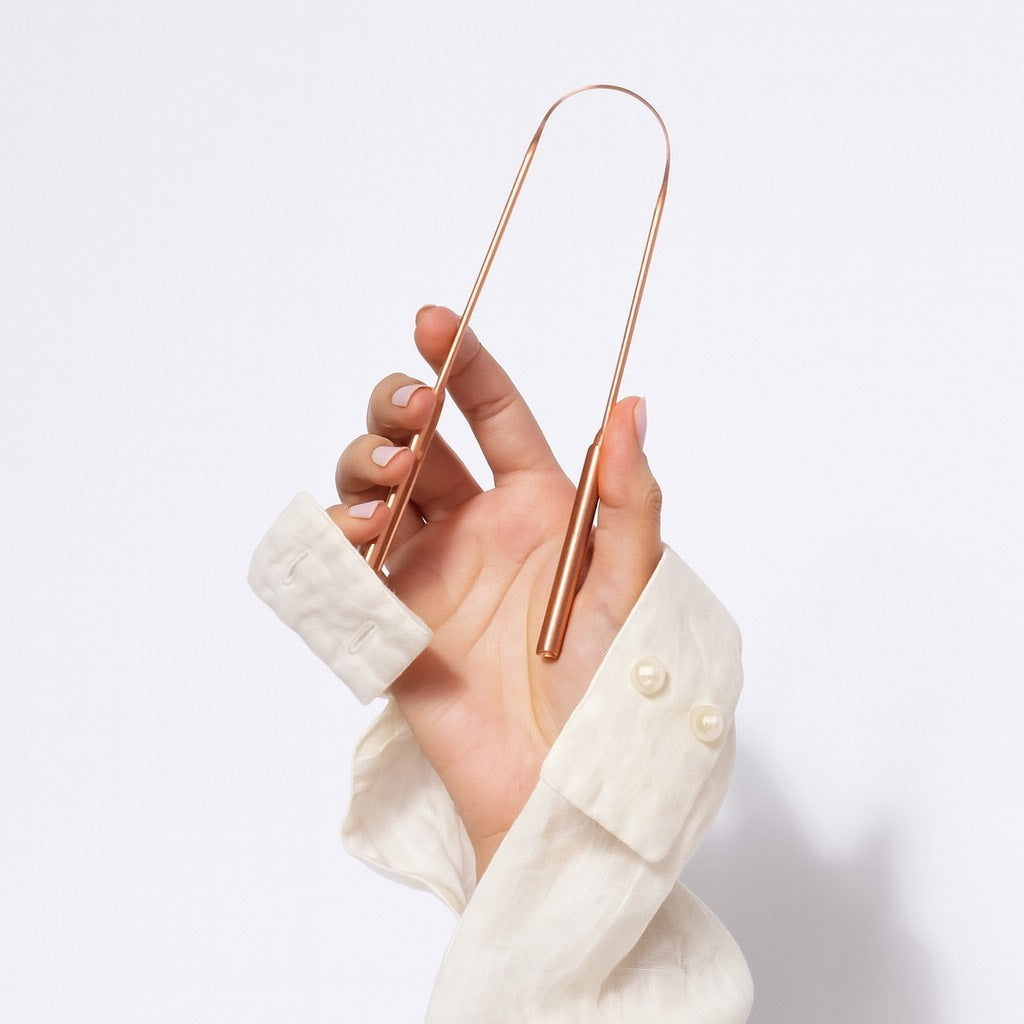
How to Use a Tongue Scraper Properly: Benefits, Technique & Mistakes to Avoid
The 30-second oral beauty step your routine may be missing. Most people brush. Some floss. Far fewer clean their tongue and yet the tongue is one of the largest surfaces in the mouth, and one of th...
Read more
Is Teeth Whitening Safe for Sensitive Teeth?
If you've ever wanted a brighter smile but held back because of sensitivity, you're not alone. Sensitivity is the number one reason people avoid teeth whitening and for years, that hesitation made ...
Read more
Your Mouth Has a Microbiome Too.
You cleanse your skin. You hydrate it. You choose ingredients that support its natural balance. But what about your mouth? Just like your skin, your mouth has its own microbiome: a community of mic...
Read more